
Do you ever wonder if you’re a good parent?
Apparently, only 3% of people say they think they are—and honestly, I’ve never met one of them. Everyone I know, myself included, questions themselves constantly. We worry whether we’re doing enough, doing it right, or, on our worst days, if we’re somehow messing our kids up.
Social media certainly doesn’t help. We scroll through curated photos of happy families and kids in colour-coordinated outfits baking organic muffins or building elaborate STEM towers before breakfast. And even though we know it’s mostly highlight reels and good lighting, that little voice of doubt creeps in—“Should I be doing more?”
Then there’s the avalanche of parenting advice available at our fingertips—much of it contradictory. One website tells you to potty train in three days with no pants; another says to wait until your child initiates. If you choose the wrong strategy, have you failed them already? The pressure can be overwhelming.
And let’s not forget the ever-present fear of judgment. Everyone seems to have an opinion—whether it’s relatives, friends, or strangers in the supermarket. Our inner critic gets louder every time we sense someone raising an eyebrow at our choices.
But in striving to be great parents, are we at risk of over-parenting?
We live in a time of hyper-competition, and it’s trickling down to our kids. In trying to give them every advantage, we often pack their days with activities and structured schedules—sometimes at the expense of their right to just be kids. I recently saw a clip of a psychologist interviewing young children about how often they get to play after school. Not a single child said they had time to play freely after school. Most listed off back-to-back activities they didn’t really enjoy but had to do anyway. It broke my heart—because I realised I’ve been guilty of that, too.
What’s often forgotten in the noise is that children’s core needs are simple. They don’t need a Pinterest-worthy lunchbox or a calendar full of extracurriculars. They need us—our presence, our love, and a sense of security.
Back in the 1950s, British pediatrician and psychoanalyst Donald Winnicott introduced the concept of the “good enough” parent. He argued that children don’t need perfect parents—they need real ones. In fact, it’s important that we make mistakes, lose our tempers, and navigate conflict, because through those imperfect moments, children learn resilience, emotional regulation, and forgiveness. We’re not meant to shield them from life, but to help prepare them for it.
That perspective has stuck with me. Life isn’t a filtered Instagram feed. It’s messy, beautiful, unpredictable, and real—and our children need to learn how to navigate it with confidence.
So what really matters?
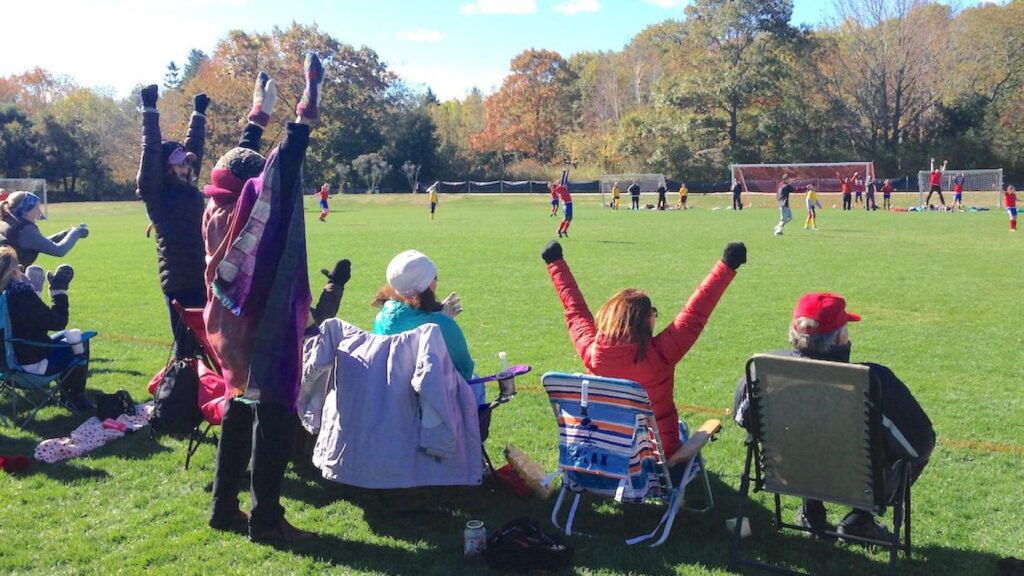
- Spend time with them – Go to their school play, watch their soccer game, read that bedtime book (even for the 10th time). They remember your presence, not your perfection.
- Lead by example – Show them how to be kind, how to make things right when you’ve messed up, and how to live with integrity.
- Be affectionate – Say “I love you” often. Hug them. Let them see loving interactions between you and your partner. Love should feel normal and safe.
- Be human – Share your own stories of mistakes and learning. Apologise when you need to. This teaches humility and growth.
- Set boundaries – Kids thrive on structure. Clear limits help them feel secure and teach responsibility.
- Be consistent – Consistency creates clarity. It fosters trust, and it helps children internalise the values you’re trying to teach.
So, if you’re doubting yourself today, let me reassure you: you are doing better than you think.
Perfect parenting doesn’t exist—but being good enough? That’s more than enough. Because when you show up with love, honesty, and intention, you’re raising children who will one day look back and know they were safe, seen, and deeply loved.
And that, truly, is what matters most.

“كونك أم أو أب كفاية” هو كفاية وزيادة: خفّف على نفسك من وهم الكمال في التربية
هل قد سألت نفسك يومًا: “هل أنا أب أو أم جيدة؟”
الغريب إن الدراسات تقول إن بس ٣٪ من الناس يعتقدون إنهم آباء ممتازين – وبصراحة، ما قد قابلت أحد منهم. كلنا، وأنا أولكم، نشك في نفسنا بين فترة وفترة. نقلق إذا كنا نسوي الشيء الصح، أو إذا كنا نسوي كفاية، أو – في أسوأ أيامنا – نخاف إننا نكون نخرب عيالنا بدون قصد.
وطبعًا، السوشيال ميديا ما تساعد أبدًا. نطالع صور العوائل المثالية، أطفالهم لابسين لبس مرتب ومتناسق، يخبزون مافن عضوي أو يبنون أبراج علوم معقدة قبل الفطور! ومع إننا نعرف إنها لقطات مختارة وفيها فلاتر وإضاءة حلوة، يطلع ذاك الصوت الصغير في داخلنا: “أنا ليه ما أسوي زي كذا؟ هل أنا مقصّرة؟”
وفوق هذا، فيه سيل من النصايح التربوية اللي صارت متاحة في كل مكان – وغالبها متناقضة! موقع يقولك درّبي طفلك على الحمام في ٣ أيام ومن غير سراويل، والثاني يقول لا تستعجلين، خلّي الطفل يقرر متى. وإذا اخترتي الطريقة الغلط، تحسّين كأنك فشلتيهم من البداية. الضغط ممكن يكون خانق.
ولا ننسى الخوف الدائم من الحكم علينا. الكل عنده رأي – سواء كانوا أقارب، أو أصدقاء، أو حتى ناس ما نعرفهم في السوق. الناقد اللي بداخلنا يصير صوته أعلى كل ما حسّينا إن أحد يراقب أو يقيّم قراراتنا.
بس في محاولتنا نكون “أهل ممتازين”، هل ممكن نكون بالغنا في التربية؟
صرنا نعيش في وقت كله تنافس، وهذا الشي بدأ يوصل حتى لأطفالنا. نحاول نعطيهم كل فرصة ممكنة، فنعبّي جدولهم بالأنشطة والدروس – وأحيانًا ننسى إن من حقهم بس يكونون أطفال. شفت مقطع لمقابلة بين دكتورة نفسية وأطفال صغار، تسألهم إذا عندهم وقت للعب بعد المدرسة. ولا واحد فيهم قال عنده وقت لعب حر! كلهم ذكروا أنشطة متتالية ما يحبونها، بس مضطرين يسوونها. قلبي انكسر – لأني أدركت إني أنا كمان سويت كذا أحيانًا.
اللي ننساه في وسط الزحمة إن احتياجات الأطفال الحقيقية بسيطة جدًا. ما يحتاجون لانش بوكس مثالي منسّق من بينترست، ولا جدول مليان أنشطة خارجية. اللي يحتاجونه هو إحنا – وجودنا، حبنا، وشعورهم بالأمان معانا.
في الخمسينات، دكتور أطفال ومحلل نفسي بريطاني اسمه دونالد وينيكوت، قدّم فكرة اسمها “الأب أو الأم الكفاية”. قال إن الأطفال ما يحتاجون آباء مثاليين – هم يحتاجون آباء حقيقيين. وقال إن من المهم إننا نغلط، وإننا نزعل أحيان، وإننا نمر بخلافات – لأن من خلال هالمواقف غير المثالية، يتعلم الطفل التحمّل، وتنظيم المشاعر، والتسامح. مو دورنا نحميهم من كل شي في الحياة، لكن نجهزهم يواجهونها بثقة.
وجهة النظر هذي علقت في بالي. الحياة ما هي صورة إنستغرام. الحياة فوضوية، وجميلة، وغير متوقعة – لكنها حقيقية. وعيالنا يحتاجون يتعلمون كيف يتعاملون معها.
فإيش الأشياء اللي فعلًا تفرق؟
- اقضي وقت معاهم – روحي لحفلتهم المدرسية، تابعي مباراتهم، اقري لهم قصة النوم (حتى لو للمرة العاشرة!). اللي يبقى في ذاكرتهم هو وجودك، مو كمالك.
- كوني قدوة – علميهم كيف يكونون طيبين، وكيف يصلحون غلطهم، وكيف يعيشون بأمانة.
- كوني حنونة – قولي لهم “أحبك” كثير. حضنيهم. خلّيهم يشوفون الحب في تفاعلك مع شريكك. الحب لازم يكون شي طبيعي وآمن.
- كوني إنسانة – شاركيهم قصصك، اغلاطك، وإيش تعلمتي منها. واعتذري إذا احتجتي. كذا يتعلمون التواضع والنمو.
- حطي حدود واضحة – الأطفال يرتاحون على النظام. الحدود تعطيهم شعور بالأمان وتعلمهم المسؤولية.
- كوني ثابتة – الثبات يخلق وضوح، ويبني ثقة، ويساعد الطفل يستوعب القيم اللي تبغين توصليها.
فإذا كنتي اليوم تشكين في نفسك، اسمحي لي أقولك: أنتِ أفضل مما تظنين.
التربية المثالية ما هي موجودة – بس كونك “كفاية”؟ هذا أكثر من كفاية. لأن لما تكونين حاضرة بحب، وصدق، ونيّة صافية، فأنتِ تربين أطفال يوم من الأيام بيكبرون ويتذكرون إنهم كانوا آمنين، ومحبوبين، ومفهومين.
وهذا – فعلًا – هو أهم شيء.